What Is a Telescope Used For? A Personal Journey into the Cosmos
As someone who has always been fascinated by the mysteries of the universe, I often find myself wondering, “What is a telescope used for?” Over the years, I’ve realized that this simple question opens up a world of exploration and discovery. A telescope, though a relatively simple device, has the power to unlock the deepest secrets of the universe, allowing us to explore everything from nearby planets to distant galaxies.
In this article, I’ll take you on a journey through the various ways telescopes can be used, providing a personal perspective on how this amazing tool has changed my understanding of the night sky. Whether you’re an amateur stargazer or a seasoned astronomer, understanding what a telescope is used for can deepen your appreciation for the wonders that await just above our heads.
Exploring the Basics: What Exactly Is a Telescope?
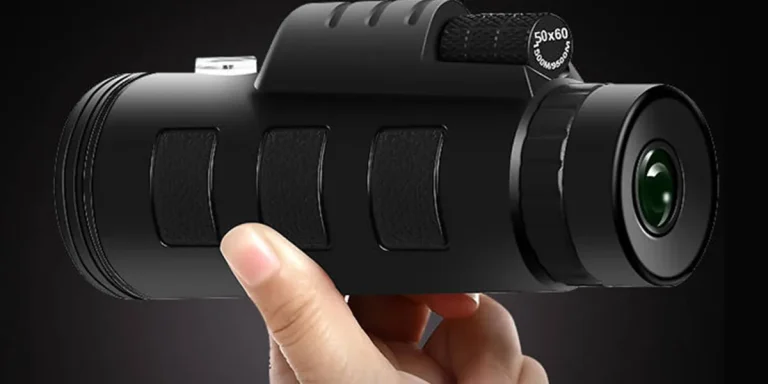
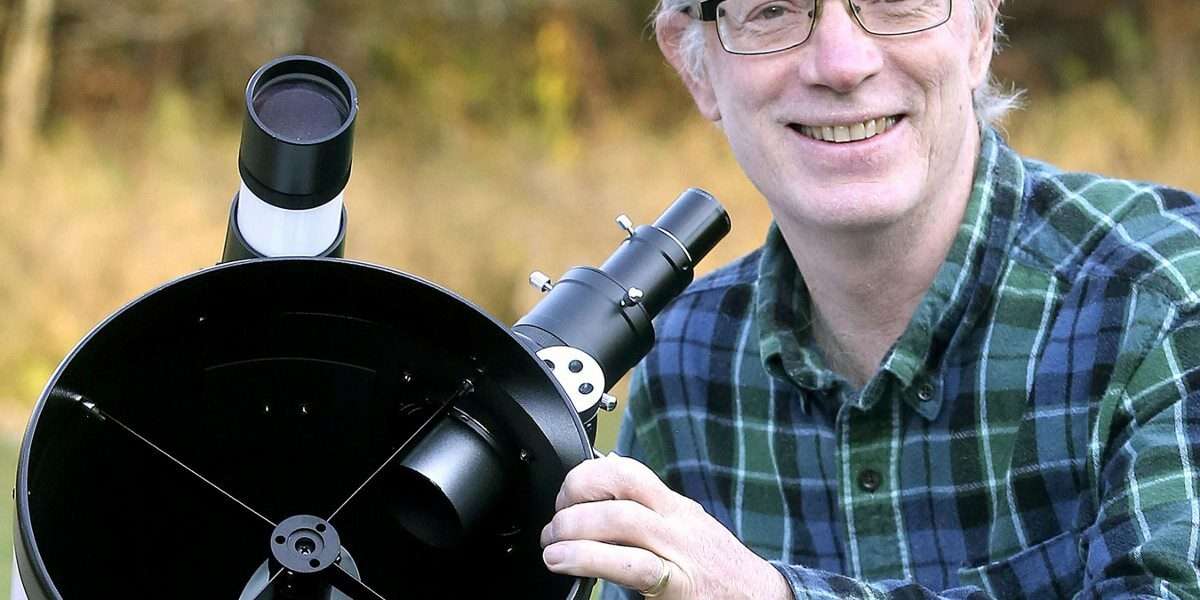
Before diving into the many uses of telescopes, let’s first establish what a telescope actually is. In the most basic sense, a telescope is an optical instrument designed to collect light and magnify distant objects, making them appear closer and clearer. This is achieved using lenses or mirrors to gather light from far-off stars, planets, and other celestial objects. The principle is simple: by bringing distant objects into sharper focus, a telescope allows us to see details that would otherwise remain hidden.
The telescope has evolved over the centuries, from early models that simply magnified objects in the sky to the sophisticated, high-tech telescopes we use today. Despite the technological advancements, the core purpose remains unchanged—giving us a better view of the universe.
Looking to the Stars: Observing Planets and Moons

One of the most common uses of a telescope, and perhaps the most exciting for many beginners, is observing planets and their moons. When I first started using a telescope, one of the most memorable moments was observing Jupiter and its iconic Great Red Spot. The detail was amazing, and I felt as though I was seeing something that few others had the opportunity to witness.
Jupiter, along with other planets like Saturn and Mars, can be seen in breathtaking detail through a telescope. Even smaller, entry-level telescopes can reveal fascinating features, such as the rings of Saturn or the moons orbiting Jupiter. Watching the moons of Jupiter move across the planet over several nights can feel like witnessing a cosmic ballet, and it’s one of the many ways a telescope connects us with the wider universe.
Peering Into the Depths: Stargazing and Deep-Sky Exploration
Another important answer to the question of what is a telescope used for is stargazing. Stargazing is an activity that many people, including myself, have enjoyed for centuries. With a telescope, you can do more than just gaze at the stars—you can explore their distant origins and track their evolution.
Using a telescope for deep-sky observation allows us to witness galaxies, nebulae, star clusters, and other incredible phenomena that are far beyond our everyday reach. The Andromeda Galaxy, for example, is one of the closest spiral galaxies to our own Milky Way, and it can be seen clearly through a telescope. Observing galaxies is a humbling experience. You’re not just looking at distant lights; you’re witnessing the remnants of ancient stars, gas, and dust from millions or even billions of years ago.
Nebulae, such as the Orion Nebula, offer a stunning view through telescopes, with their swirling clouds of gas and dust creating beautiful shapes and colors. These objects are not only visually striking but also scientifically important, as they provide insight into the birth of stars and planetary systems.
A Closer Look at the Moon: A Telescope’s Best Friend
As you might guess, another answer to the question “what is a telescope used for?” is lunar observation. The Moon has fascinated humanity for millennia, and a telescope is the perfect tool to examine its surface in detail. The craters, mountains, and plains of the Moon become clear through a telescope, and I remember my first view of the Moon through a telescope—it felt like I was landing on its surface.
A small telescope is all that’s needed to view the Moon’s surface features. With the right magnification, you can see its large craters, including the famous Tycho crater, and the dark, flat plains called maria. As the Moon goes through its phases, different features become visible, making lunar observation an ever-changing experience. Whether you’re a novice or an experienced astronomer, the Moon is an incredible subject for telescope observation.
For those with a particular interest in solar observation, some telescopes are designed to safely observe the Sun as well. Special solar filters allow you to view sunspots, solar flares, and other solar activities. While these activities may seem distant, they play a critical role in understanding our star’s behavior and its effects on the solar system.
Expanding Our Understanding: Telescopes in Scientific Discovery
 Telescopes are more than just tools for casual stargazing—they’re essential instruments for scientific discovery. For centuries, astronomers have relied on telescopes to study everything from the motion of planets to the behavior of stars and galaxies. Telescopes have been crucial in advancing our knowledge of the universe, revealing new objects, confirming theories, and uncovering phenomena that were previously unknown.
One of the most significant breakthroughs in modern astronomy was the discovery of exoplanets—planets that orbit stars outside our solar system. The Kepler Space Telescope, for example, has been instrumental in finding thousands of these distant worlds, many of which might have conditions suitable for life. Telescopes have also provided us with valuable data on black holes, dark matter, and the overall structure of the universe.
The Hubble Space Telescope, launched in 1990, has captured some of the most iconic images of space, offering detailed views of distant galaxies, nebulae, and even the very edges of the observable universe. These images have not only expanded our understanding of space but have also sparked a renewed interest in space exploration among the general public.
The Allure of Deep Space: Unveiling Galaxies and Beyond
For many telescope owners, one of the most exciting uses of their instrument is observing galaxies. Galaxies are vast collections of stars, gas, and dust, and they come in many shapes and sizes. Some, like the spiral-shaped Milky Way, are familiar to us, while others, such as elliptical galaxies, look vastly different.
When using a telescope to observe galaxies, it’s often hard to fathom the vast distances between us and these distant systems. Yet, telescopes allow us to peer back in time, seeing galaxies as they were millions or even billions of years ago. Through this lens, we can understand the processes that govern the evolution of galaxies, stars, and planetary systems.
Conclusion
So, what is a telescope used for? As you can see, the answer is far from simple. A telescope opens up countless opportunities for discovery. Whether you’re marveling at the intricate details of the Moon, uncovering the secrets of distant galaxies, or peering into the hearts of planets, a telescope enhances your understanding of the universe in ways that were once thought impossible.
For anyone curious about the night sky, investing in a telescope is an incredible way to deepen your connection to the cosmos. It allows you to explore the planets, stars, and galaxies, and provides a clearer view of our place in the vastness of space. So next time you look up at the stars, remember that with a telescope, there’s so much more to see than meets the eye.