The Guide to Storing a Telescope in a Shed
As an astronomy enthusiast, I’ve spent countless nights using my telescope to explore the cosmos, and over the years, I’ve learned how crucial proper storage is to ensure the longevity and performance of this expensive equipment. Storing a telescope requires careful thought, particularly when it comes to using a shed as a storage space. While a shed can be an excellent storage location, it’s important to understand the best practices for keeping a telescope safe from potential harm. In this article, I’ll share the guide to storing a telescope in a shed based on my personal experiences.
Understanding the Importance of Proper Storage
When it comes to storing a telescope, I’ve found that failing to properly protect it from the elements can have serious consequences. Whether it’s moisture, dust, extreme temperatures, or physical damage, these elements can all contribute to the deterioration of a telescope’s components. While the inside of a house may seem like the obvious place to store a telescope, a shed can provide a practical solution, especially if you don’t have space indoors. However, there are important factors to consider in ensuring the telescope remains in excellent condition.
Why a Shed is Ideal for Storing a Telescope
A shed offers a dedicated, often quiet, space for storing a telescope. It’s away from the daily hustle of a home, providing a stable and controlled environment for equipment. However, just as with any other storage solution, there are challenges in using a shed for this purpose. Understanding these challenges and how to mitigate them is the first step in ensuring your telescope is well-protected.
Key Considerations for Storing a Telescope in a Shed
After a few years of storing my telescope in a shed, I realized that specific steps were crucial to maintaining its condition. From moisture control to organization, here are the primary factors that influence the storage process.
Temperature and Humidity Control
One of the most important things I’ve learned about the guide to storing a telescope in a shed is managing temperature and humidity. Both temperature extremes and high humidity can severely affect the optics and metal components of a telescope. To mitigate these factors, I made sure my shed was insulated, which helped regulate temperature fluctuations. During the winter, when temperatures can drop significantly, the insulation prevents the interior of the shed from becoming too cold, which can cause condensation on the optics.
In addition, controlling humidity is essential to prevent mold growth and rust. I keep silica gel packs in my shed to absorb excess moisture, and when necessary, I use a dehumidifier. This has been key in preventing any long-term damage to my telescope, especially when it comes to the metal parts and the delicate mirror.
Preventing Dust and Debris Accumulation
Another common problem I faced when storing my telescope in a shed was dust and dirt accumulation. Dust can affect the lenses and mirrors, leading to blurry images when observing. To prevent this, I ensure that my shed is kept as clean as possible. I regularly sweep the floor and wipe down the surfaces to keep the area free from debris. I also use a fitted dust cover for my telescope to protect the lenses and mirrors from dust particles.
Avoiding Pests
Sheds, unfortunately, can sometimes attract pests like rodents, insects, and other creatures. These pests can damage the telescope’s casing or components. To keep pests at bay, I’ve made sure that the shed has a secure door and windows, preventing them from getting inside. I also check the shed periodically for any signs of pests and take steps to control them before they cause any damage.
Preparing the Telescope for Storage
It’s not enough to just store the telescope in a shed; preparing it for storage is essential to ensure it stays in top condition. Here are the steps I take before storing my telescope away in the shed.
Cleaning the Telescope
I always clean my telescope thoroughly before storing it in the shed. Dirt, fingerprints, and smudges can all affect the telescope’s performance if left on the lens. I use a microfiber cloth to gently wipe the lenses, being cautious not to scratch the surface. If needed, I use a lens cleaning solution specifically designed for optical instruments. Cleaning the telescope ensures that I’m not storing dust or grime inside the shed, where it could build up over time.
Disassembling the Telescope
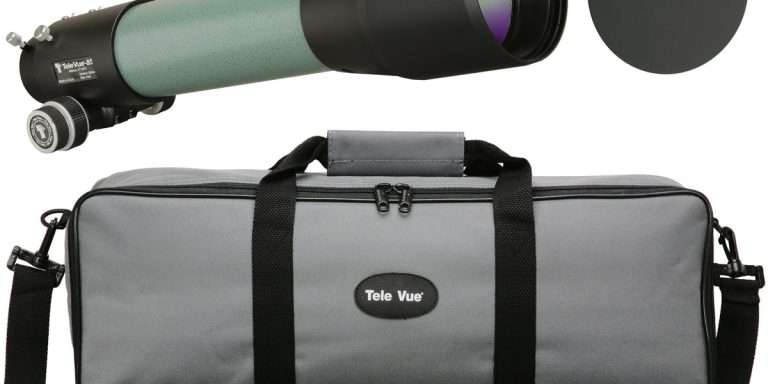
While some people may opt to leave their telescope fully assembled, I prefer to disassemble mine. This prevents any unnecessary strain on the parts and reduces the risk of damage. I detach the eyepiece, finderscope, and any other accessories before storing the main body. Storing the telescope in separate pieces also makes it easier to fit into a compact space and helps prevent any physical damage that might occur if the telescope is left standing or exposed in the shed.
Using a Protective Cover
One of the simplest yet most effective methods I use to protect my telescope while it’s stored in the shed is by covering it with a protective cover. A cover keeps dust, moisture, and debris off the telescope and its components, ensuring they remain clean and protected. I use a breathable, soft cloth cover that allows air circulation while keeping the telescope shielded from environmental factors.
Finding the Right Storage Space in the Shed
Choosing the right spot to store the telescope within the shed is just as important as the steps I take to prepare it for storage. I’ve found that storing the telescope in an upright position on a secure shelf is the best option. This prevents the telescope from being knocked over or accidentally bumped, which could lead to damage. I make sure the shelf is sturdy and can handle the weight of the telescope without sagging.
Elevating the Telescope from the Floor
Storing my telescope off the floor has been essential in protecting it from potential water damage, as sheds are sometimes prone to moisture. By placing the telescope on a shelf or rack, I avoid any contact with moisture that may accumulate on the ground. Additionally, keeping the telescope elevated helps prevent accidental damage caused by debris or other items on the floor.
Checking on the Telescope Regularly
While the telescope is in storage, I don’t just forget about it. I make sure to check on it every few months, inspecting it for any signs of dust buildup, pests, or moisture issues. I remove the dust cover, inspect the lenses, and check for any condensation or rust on metal components. If I notice any signs of humidity, I take action by using silica gel or a dehumidifier to control the moisture levels.
Conclusion
By following the guide to storing a telescope in a shed, I’ve been able to keep my telescope in excellent condition for years. Proper storage is vital to maintaining the quality and functionality of any telescope, and with the right preparation, I can be sure that my equipment will be ready for stargazing whenever I need it. From controlling temperature and humidity to keeping the telescope elevated and covered, every step of the storage process is designed to protect my telescope and extend its lifespan.
With these steps, I feel confident that my telescope will continue to provide me with incredible views of the night sky for many years to come.