How Are Meteors Formed? A Journey from Space to Earth
Meteors are one of the most awe-inspiring natural phenomena we can observe in the night sky. The blazing streak of light, often called a “shooting star,” is a mesmerizing sight that captures our imagination and wonder. However, behind the beauty lies a fascinating process that answers the question: how are meteors formed? The origins of meteors are tied to the ancient history of our solar system, where pieces of debris travel through space before they enter Earth’s atmosphere, often burning up in a spectacular show. In this article, I’ll explore the formation of meteors, from their beginnings as tiny particles to their fiery journey through the atmosphere.
What Exactly Is a Meteor?
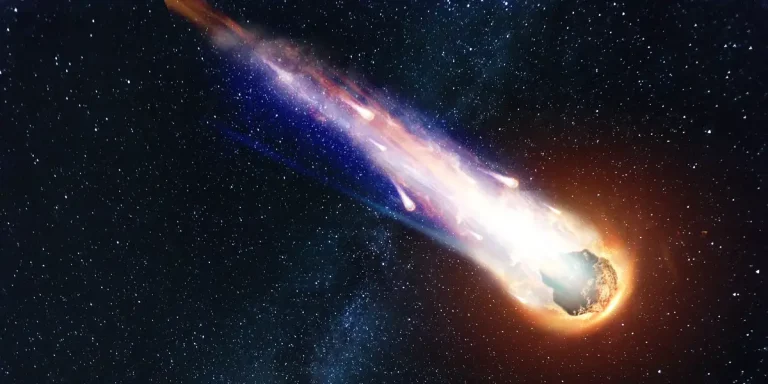
Before we dive into how are meteors formed, it’s essential to first clarify the terminology we use when referring to meteors. A meteor is the streak of light that appears when a meteoroid, a small rock or particle from space, enters Earth’s atmosphere. The intense friction between the meteoroid and the air causes it to heat up and burn, creating the glowing trail we observe in the sky. If the meteoroid survives its journey through the atmosphere and lands on the Earth’s surface, it becomes a meteorite.
Meteoroids come in various sizes, from small grains of sand to large boulders, and are scattered throughout space. While meteors are only visible when the meteoroid burns up in Earth’s atmosphere, they can travel for millions of years through space before encountering our planet.
The Source of Meteoroids: How Are Meteors Formed?
So, how are meteors formed in the first place? The most common source of meteoroids is the asteroid belt, which lies between Mars and Jupiter. This region is filled with rocky bodies that occasionally collide with one another. These collisions break apart asteroids into smaller fragments, which are then scattered across space. These fragments, now referred to as meteoroids, travel through space and may eventually intersect Earth’s orbit, where they are pulled in by gravity.
Another important source of meteoroids is comets. Comets are icy bodies that orbit the Sun and leave behind trails of dust and debris. As comets pass close to the Sun, their ice vaporizes, and small rocky particles break off, forming streams of debris that can include meteoroids. These debris trails can also intersect Earth’s orbit, leading to meteor showers, where numerous meteoroids burn up in our atmosphere at the same time.
Meteor Showers: A Rain of Meteors

Meteor showers are some of the most exciting celestial events that occur regularly. During a meteor shower, Earth passes through the debris trail of a comet, causing numerous meteoroids to enter our atmosphere simultaneously. When they burn up, they create a dazzling display of streaking lights across the night sky. These events are a clear demonstration of how are meteors formed, as the debris from comets becomes visible when it interacts with Earth’s atmosphere.
Meteor showers happen at specific times of the year, and each meteor shower has its own unique characteristics. For example, the Perseid meteor shower, one of the most famous, occurs every August and appears to radiate from the constellation Perseus. Similarly, the Geminid meteor shower, which peaks in December, is known for its bright and colorful meteors.
The meteors during these showers are typically small fragments of comets or asteroids. The sheer number of meteors seen during a meteor shower gives us the opportunity to see just how abundant meteoroids are in space and how frequently they encounter Earth.
The Fiery Journey: How Are Meteors Formed and Burn in the Atmosphere?
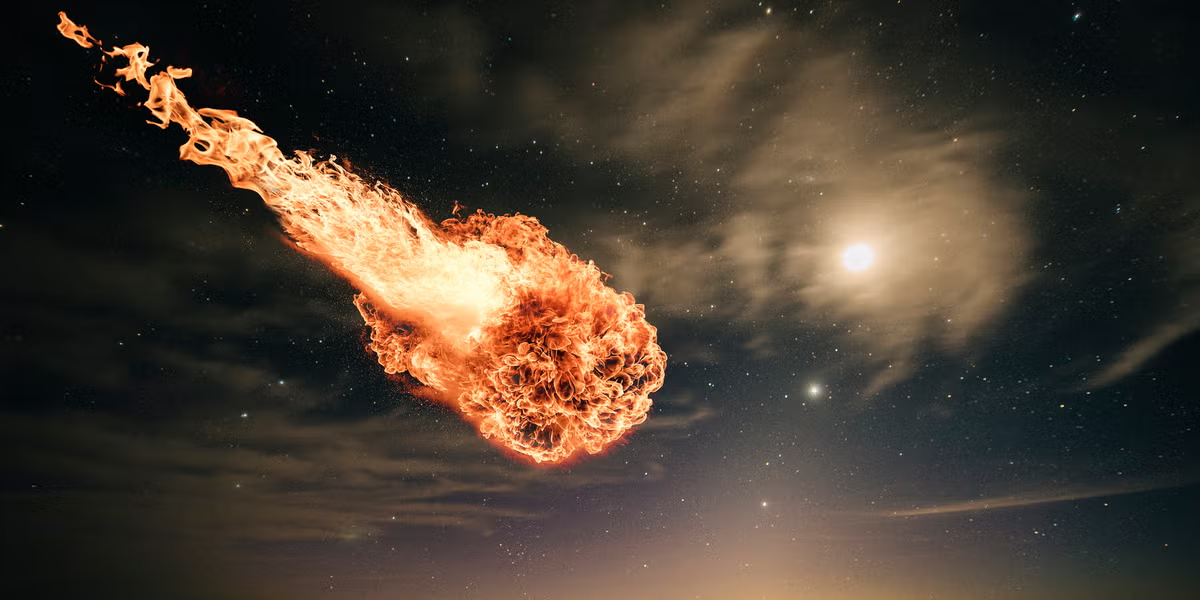
When a meteoroid enters Earth’s atmosphere, it travels at extremely high speeds, often more than 70 kilometers per second. This incredible velocity creates a tremendous amount of friction with the atmosphere, causing the meteoroid to heat up dramatically. The resulting heat is intense enough to vaporize the outer layers of the meteoroid, creating the glowing trail of light we call a meteor.
While the meteor itself burns up, smaller particles of the meteoroid may survive the fiery journey and continue to fall toward Earth. This is why some meteors appear to break apart as they travel across the sky. The size and composition of the meteoroid will determine how much of it survives, and if a large enough fragment makes it to the ground, it becomes a meteorite.
Meteor showers are particularly thrilling because the high number of meteoroids creates an impressive spectacle in the sky. On peak nights, it’s not uncommon to see dozens or even hundreds of meteors within an hour. These events remind us of the dynamic and ever-changing nature of our solar system, where debris from comets and asteroids can cross paths with our planet.
Meteorites: Fragments of Space
If a meteoroid is large enough to survive the intense heat and pressure of Earth’s atmosphere, it may land on the ground as a meteorite. Meteorites come in all shapes and sizes, and their composition can vary greatly. Some meteorites are composed mainly of rock, while others are made primarily of metal. These meteorites provide valuable insight into the early solar system, as they are remnants of the building blocks that formed planets like Earth.
Meteorites are rare finds and are often discovered in remote areas, such as deserts or polar regions, where they can be easily identified against the barren landscape. Scientists carefully study meteorites to determine their origin and composition, helping us understand the processes that shaped our solar system billions of years ago.
The Impact of Meteors on Earth
While most meteoroids burn up completely before reaching the surface, larger meteoroids and meteorites can have a significant impact on Earth. A large enough impact could cause damage to the surface or trigger a chain reaction of events that affects the environment. In fact, scientists believe that a large asteroid impact led to the mass extinction of the dinosaurs around 66 million years ago.
Though such large impacts are rare, the study of meteorites and the impact craters they create helps scientists learn more about Earth’s history and the potential risks posed by meteoroids and asteroids in the future.
Conclusion
The question of how are meteors formed offers a fascinating glimpse into the dynamic processes of our solar system. Meteors are born from the debris left behind by asteroids and comets, and their fiery journey through Earth’s atmosphere is a testament to the complex forces at play in space. Whether we are observing a meteor shower or studying meteorites, these celestial events continue to inspire curiosity and wonder about the universe we live in. As we continue to explore space, our understanding of how meteors are formed will evolve, revealing even more about the forces that shape our solar system.