Celestron Astromaster vs Powerseeker: Which One Should You Choose?
When it comes to choosing your first telescope, the options can be overwhelming. Two of the most popular and talked-about beginner models are the Celestron Astromaster and Celestron PowerSeeker. Both of these telescopes come from a reputable brand, known for delivering quality products, yet they cater to slightly different needs and preferences. In this article, I’ll compare the Celestron Astromaster vs PowerSeeker in-depth, focusing on their features, performance, and suitability for beginners, so you can decide which one is the right fit for you.
What Is the Celestron Astromaster?

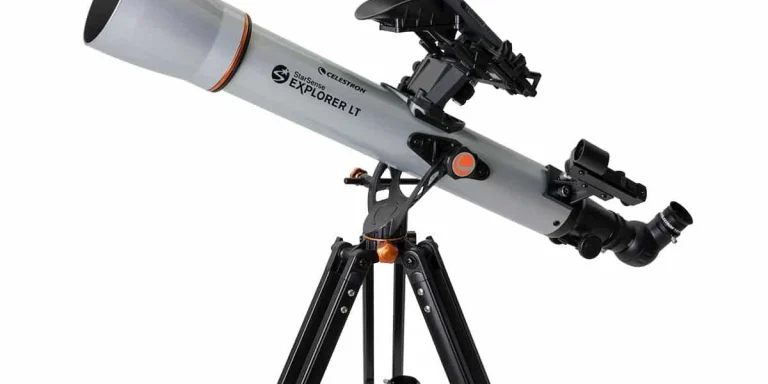
The Celestron Astromaster series is a range of telescopes designed to make astronomy accessible to beginners, yet still offer high-quality performance. These telescopes come in several sizes, from the compact 70mm models up to the more advanced 130mm versions. The Astromaster range includes both refractor and reflector models, each offering unique benefits depending on what you’re looking to observe. The Astromaster is particularly known for its ease of use, offering smooth motion and reliable tracking of celestial objects.
These telescopes are generally equipped with coated optics that help improve the clarity of images, which is essential when observing distant planets and stars. Whether you’re focusing on the moon or want to get a better view of Jupiter’s moons, the Astromaster provides great optics that deliver clear, detailed views. While not as advanced as some professional models, the Astromaster strikes a great balance between quality and affordability for new astronomers.
Key Features of the Celestron Astromaster
- Available in a range of apertures, from 70mm to 130mm
- Choice of equatorial or alt-azimuth mounts
- High-quality coated optics for improved image clarity
- Quick and easy assembly
Pros of the Celestron Astromaster
- Excellent for planetary and lunar observation
- Smooth, user-friendly mount
- Various models to fit different experience levels
- Sturdy construction
Cons of the Celestron Astromaster
- The equatorial mount may take some time to get used to
- The larger models are not as portable as smaller ones
What Is the Celestron PowerSeeker?

The Celestron PowerSeeker series is another great option for beginners, designed with simplicity and ease of use in mind. These telescopes come in various models, ranging from smaller 50mm refractors to larger 127mm reflectors. They are primarily designed for people who want a hassle-free experience right out of the box. The PowerSeeker models are perfect for those who just want to start stargazing without worrying about complex setup or alignment.
In addition to being easy to set up, PowerSeeker telescopes offer good optical performance for the price. They are generally equipped with basic yet effective optics, making them ideal for observing bright objects like the moon, planets, and some star clusters. However, PowerSeekers are not as good for deep-sky observations or faint objects, as their smaller apertures limit the amount of light they can gather. Nevertheless, the PowerSeeker is a fantastic entry-level option that offers decent performance without breaking the bank.
Key Features of the Celestron PowerSeeker
- Available in various sizes, including 50mm, 60mm, and 127mm
- Comes with either refractor or reflector designs
- Includes an easy-to-use alt-azimuth mount
- Designed with beginner astronomers in mind
Pros of the Celestron PowerSeeker
- Affordable, making it great for budget-conscious buyers
- Extremely easy to set up and use
- Ideal for beginners who want a simple experience
- Compact and portable for on-the-go stargazing
Cons of the Celestron PowerSeeker
- Optics are less advanced than those in the Astromaster series
- Limited performance for deep-sky observations
- Some models may have difficulty maintaining focus
Celestron Astromaster vs PowerSeeker: Performance Comparison
Optics and Image Quality
When comparing the Celestron Astromaster vs PowerSeeker, optics play a key role in overall performance. The Astromaster series generally offers superior optics, especially in the larger aperture models. The 130mm Astromaster, for example, can gather more light, allowing you to see fainter objects in the sky. This makes it a great choice for those who want to see not just planets and the moon but also star clusters and some nebulae.
In contrast, the PowerSeeker models tend to have smaller apertures, ranging from 50mm to 127mm. While this is perfectly adequate for viewing the moon and planets, they struggle with more distant and faint objects. If you’re looking for high-definition views of the moon, planets, and nearby stars, the PowerSeeker will get the job done, but it won’t offer the same level of clarity or detail as the Astromaster.
Mounting System
Another point of difference between the Celestron Astromaster vs PowerSeeker is the type of mount each telescope uses. The Astromaster series offers both equatorial and alt-azimuth mounts, which is great for tracking celestial objects. The equatorial mount, though it requires more setup and learning, allows you to easily follow the movement of stars and planets across the sky. This is ideal for people who want to dive deeper into astronomy.
The PowerSeeker, on the other hand, comes with a basic alt-azimuth mount. This mount allows the telescope to move up/down and left/right, and it’s much easier for beginners to operate. It’s perfect for casual stargazing but doesn’t provide the same precision for tracking objects as the equatorial mount of the Astromaster.
Portability
For portability, the PowerSeeker takes the lead. Its compact size makes it much easier to carry around, and it’s perfect for people who want to take their telescope on trips or keep it in a small storage space. While the Astromaster is also reasonably portable, the larger aperture models can be bulky and harder to transport, especially if you’re planning to travel with it frequently.
Ease of Use
In terms of ease of use, the PowerSeeker again takes the edge. It’s specifically designed for beginners, with a very simple setup and user-friendly interface. If you’re just getting started and want a telescope that requires minimal effort to use, the PowerSeeker is the best choice. On the other hand, the Astromaster is a bit more advanced, especially with its equatorial mount, which will take some practice to master. However, once you get the hang of it, the Astromaster offers superior tracking and precision.
Which One Should You Choose?
Choosing between the Celestron Astromaster vs PowerSeeker ultimately depends on what you prioritize. If you’re looking for a simple, budget-friendly telescope that you can easily set up and take anywhere, the PowerSeeker is an excellent choice. It’s perfect for casual stargazing and will provide clear views of the moon and planets.
However, if you’re looking for a more advanced option with better optics and the ability to track celestial objects with greater precision, the Astromaster is the way to go. It’s a bit more expensive and requires a learning curve, but it offers better long-term performance and more detailed views.
Both telescopes are fantastic options for beginners, and either one will allow you to explore the night sky. It’s all about finding the right balance between ease of use, portability, and performance. I hope this comparison of the Celestron Astromaster vs PowerSeeker helps you find the perfect telescope for your astronomical adventures.