ESSLNB 400x80mm Refractor Telescope Review: An In-Depth Look at Its Features
As a passionate stargazer, I have spent countless hours looking at the stars, planets, and galaxies. A telescope is essential to get a closer, clearer view of the celestial wonders, and when I first came across the ESSLNB 400x80mm refractor telescope, I was intrigued by its design and features. This model promised a lot for a beginner-friendly telescope, offering an 80mm aperture and a 400mm focal length, making it an attractive option for anyone looking to dive into astronomy without spending too much. In this review, I will break down my experience with the ESSLNB 400x80mm refractor telescope, its features, its performance, and whether or not it is worth the investment.
This telescope is an ESSLNB Telescopes for Adults Astronomy, 80mm Astronomical Travel Telescopes with Moon Filter, Erect Image, 10 Times Refractor, Tripod and Carrying Bag for Astronomy Beginners (40080 Telescope)
Related ESSLNB telescope review: ESSLNB 360x70mm Refractor Telescope Review
The Basics of the ESSLNB 400x80mm Refractor Telescope

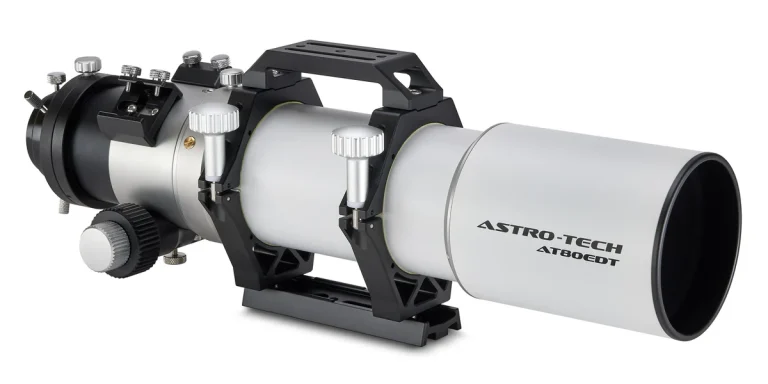
When it comes to telescopes, the type and size of the optics play a crucial role in determining the quality of the viewing experience. The ESSLNB 400x80mm refractor telescope comes equipped with an 80mm aperture, which allows it to gather a fair amount of light. With a 400mm focal length, this telescope can magnify objects in the night sky to give you a clear and enjoyable view of the stars. The design of this telescope uses a lens system to gather and focus light, making it a classic refractor style. It is easy to use and set up, making it an excellent choice for beginners who want a straightforward and user-friendly experience.
The first time I set up the telescope, I was impressed by how simple and intuitive the process was. The components were easy to assemble, and the mount provided a sturdy base to support the optical tube. With minimal effort, I was able to set up the telescope in no time. It is perfect for those who might not have much experience with telescopes but still want a good-quality viewing experience.
Performance of the ESSLNB 400x80mm Refractor Telescope
Optics and Image Quality
One of the first things I noticed when I used the ESSLNB 400x80mm refractor telescope was the quality of the optics. With an 80mm aperture, the telescope gathers just enough light to provide a bright image of the Moon, planets, and even some deep-sky objects like star clusters and nebulae. The 400mm focal length offers a solid amount of magnification, allowing you to see objects in greater detail without compromising image clarity.
The image quality is generally sharp, especially when observing brighter celestial bodies like the Moon and Jupiter. I could make out the craters on the lunar surface with relative ease, and when I turned the telescope toward Jupiter, I was able to spot its four largest moons clearly. Even Saturn’s famous rings were visible, although the details were a bit soft at times. While the telescope doesn’t have the power to reveal very faint or distant deep-sky objects, it still delivers excellent performance for casual stargazing.
Chromatic Aberration
Although the ESSLNB 400x80mm refractor telescope produces good-quality images for its price, I did notice some minor chromatic aberration. Chromatic aberration refers to the color fringing that can occur around bright objects, especially at higher magnifications. This is a common issue in many refractor telescopes, particularly those in this price range. While the ESSLNB 400x80mm doesn’t completely eliminate chromatic aberration, it is not as noticeable as with lower-quality models, and it doesn’t significantly detract from the overall viewing experience.
Magnification Capabilities
The 400x maximum magnification offered by this telescope is quite impressive for a beginner model. In practice, I found that magnification above 200x can sometimes lead to a blurry or slightly distorted image, especially when viewing objects like the planets or the Moon. However, at lower magnifications (around 100x), the telescope performs excellently, providing crisp and clear views of both the lunar surface and the planets in our solar system. For anyone just starting in astronomy, this telescope offers a good balance of magnification and image quality.
User Experience with the ESSLNB 400x80mm Refractor Telescope

Ease of Use and Setup
As someone who is always eager to get outside and start stargazing, I was thrilled at how easy it was to set up the ESSLNB 400x80mm refractor telescope. The instructions provided were clear and simple, and within just a few minutes, I had the telescope mounted and ready for use. The altitude and azimuth mount is smooth and easy to adjust, allowing for quick and precise movements when tracking celestial objects.
Additionally, the finderscope that comes with the telescope is a great tool for locating objects in the night sky. It provides a wider field of view, which helps pinpoint the object you want to observe before using the main eyepiece. I found this feature particularly helpful when stargazing in areas with more light pollution, as it made locating objects much easier.
Portability and Storage
Another benefit of the ESSLNB 400x80mm refractor telescope is its portability. The telescope is relatively lightweight and compact, making it easy to transport to different locations. Whether you are heading to a dark spot away from city lights or just setting up in your backyard, the telescope is easy to carry and store. This makes it a perfect choice for those who are on the go and want to be able to quickly enjoy a session of stargazing.
Pros of the ESSLNB 400x80mm Refractor Telescope
Affordable and Accessible
For its price, the ESSLNB 400x80mm refractor telescope offers a lot of value. It’s an excellent choice for beginners who are looking to dive into astronomy without committing a large sum of money. It offers solid optics, a decent level of magnification, and the ease of use that makes it approachable for anyone just getting started.
Great for Casual Stargazing
If you’re looking for a telescope that provides a fun, casual way to explore the night sky, this model delivers. While it may not be the best option for serious astronomers seeking professional-grade performance, it’s perfect for anyone who just wants to look at the Moon, planets, and some bright stars. I found it to be a great tool for enjoying the wonders of the sky without overwhelming technicalities.
Well-Built for Its Class
For an entry-level telescope, the build quality is surprisingly good. The optical tube feels solid, and the mount is stable and easy to adjust. The telescope holds up well to regular use, and I feel confident that it will last for years with proper care.
Cons of the ESSLNB 400x80mm Refractor Telescope
Limited High-Magnification Viewing
While the ESSLNB 400x80mm refractor telescope offers a reasonable magnification range, it does have limitations. As with most telescopes of this size, the image quality tends to degrade when magnifying too much, particularly beyond 200x. This is a common drawback for beginner telescopes, and those who want to explore distant galaxies or deep-sky objects may find this telescope a bit limiting.
Chromatic Aberration at Higher Magnifications
Although it’s not a dealbreaker, the chromatic aberration at higher magnifications can be distracting for some users. If you are particularly sensitive to color fringing, this could be an issue. However, for most casual users, it doesn’t significantly impact the overall experience.

FAQ
Is an 80mm refractor telescope good?
Yes — an 80mm refractor telescope is one of the best all-around choices for beginners and hobby astronomers. It’s powerful enough to show the rings of Saturn, the moons of Jupiter, and the craters of the Moon in crisp detail. The optical clarity of a refractor makes it great for both planetary and lunar observation. Many astronomers consider the 80mm model part of the best telescopes for viewing planets because it offers a balance of brightness, portability, and ease of use.
What are two problems with refractor telescopes?
The two main problems with refractor telescopes are:
Chromatic aberration – Bright objects like the Moon or Jupiter can show slight color fringes because the lenses bend light at different angles.
Higher cost per aperture – Large refractors become expensive and heavy compared to similar-sized reflectors.
Despite these issues, modern achromatic and apochromatic refractor designs reduce color distortion, making them a strong choice for high-quality planetary imaging and visual astronomy.
Can you see planets with a refractor telescope?
Absolutely! A refractor telescope provides sharp, high-contrast views of planets. With an 80mm or larger refractor, you can easily observe Jupiter’s cloud bands, Saturn’s rings, and Mars’ polar caps.
Refractors are often chosen by observers who want clean, steady views without frequent maintenance. When paired with a sturdy mount, they can deliver stunning planetary images and are ideal for beginners and astrophotographers alike.
What is the best size refractor telescope?
The best size refractor telescope depends on your goals. For planetary viewing, an 80mm to 120mm refractor provides the perfect balance between light-gathering ability and portability.
Smaller 70–80mm models are excellent for travel and quick setup, while 100mm and above deliver exceptional detail for advanced planetary observation. For anyone seeking a high-quality telescope for planetary imaging, a 100mm apochromatic refractor is often considered the ideal upgrade.
Final Thoughts
After spending several weeks with the ESSLNB 400x80mm refractor telescope, I can confidently say that it’s a great entry-level option for those looking to explore the night sky. Its affordable price, ease of use, and solid performance make it a fantastic choice for beginners. While it may not be suitable for those looking for extreme magnification or the highest level of image quality, it is more than capable of providing a satisfying stargazing experience. If you’re just starting your journey into astronomy, the ESSLNB 400x80mm refractor telescope is definitely worth considering.