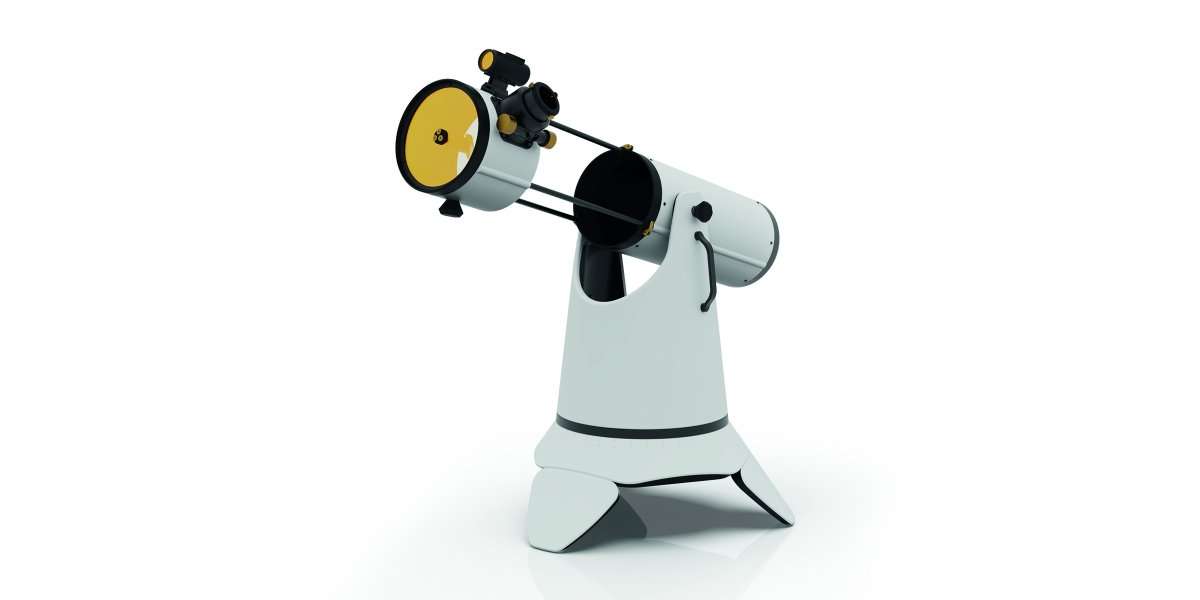
Venturing into amateur astronomy doesn’t require a massive budget—especially if you’re just getting started and looking to explore the night sky without spending a fortune. With the right telescope, even under $500, you can enjoy detailed views of the Moon’s craters, Saturn’s rings, star clusters, and the occasional galaxy. The key is choosing the right model that aligns with your goals, whether you’re interested in planetary observation, astrophotography, or just casual skywatching.
This in-depth guide introduces some of the best telescopes under $500 that cater to a range of needs and preferences. From traditional manual reflectors to modern smartphone-compatible designs, these instruments offer excellent optical quality, intuitive operation, and surprising versatility for their price point.
1. Celestron AstroMaster 130EQ
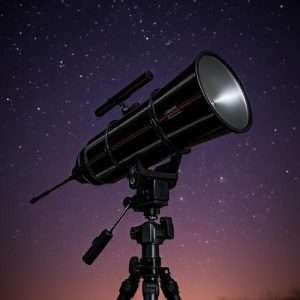
The Celestron AstroMaster 130EQ is a Newtonian reflector that has earned its reputation as a strong performer in its price category. It features a 130mm aperture, which allows for a significant amount of light to enter the optical tube. This enables viewers to observe crisp lunar details, Saturn’s distinct rings, and even brighter deep-space objects like the Orion Nebula or Andromeda Galaxy. Its short 650mm focal length results in wide-field views, which are ideal for scanning across constellations or capturing multiple stars in a single frame.
Equipped with a German equatorial mount, this telescope allows for smoother tracking of celestial objects once aligned properly. Beginners might face a learning curve, but the mount rewards patience with better motion control and sky tracking. The included StarPointer red dot finder helps users locate objects with more precision, and the overall build feels sturdy for extended skywatching sessions.
Key Features:
- 130mm Newtonian reflector optical design
- 650mm focal length, fast f/5 ratio
- German equatorial mount with slow-motion knobs
- Includes two eyepieces (20mm and 10mm)
- Comes with StarPointer red dot finder
Pros:
- Bright, clear images of planets and star clusters
- Sturdy equatorial mount aids in accurate object tracking
- Ideal for users ready to move beyond beginner scopes
Cons:
- Manual mount can be complex for complete beginners
- Slightly large for compact storage or travel
2. Orion StarBlast 4.5 Astro Reflector
The Orion StarBlast 4.5 Astro Reflector is a compact and approachable telescope built with beginners in mind. It offers a generous 114mm aperture and a quick f/4 focal ratio, which translates into wide-field, bright images perfect for observing star fields, the Moon, and colorful nebulae. Its simplicity lies in its design—a tabletop alt-azimuth base that requires no alignment and is easy to maneuver.
Its portability and pre-assembled body make it an excellent grab-and-go telescope, perfect for backyard observing or stargazing trips in rural areas. While not intended for high-magnification planetary detail, the scope shines in rich star fields and casual deep-sky exploration. Its lightweight design and low profile also make it a hit with younger astronomers and families.
Key Features:
- 114mm aperture parabolic reflector
- 450mm focal length with f/4 optics
- Sturdy tabletop alt-azimuth mount
- Pre-assembled and ready to use
- Two Sirius Plössl eyepieces included
Pros:
- Excellent wide-field viewing experience
- Compact and lightweight for portability
- No setup or collimation required out of the box
Cons:
- Requires a flat surface like a table to operate
- Limited in terms of planetary zoom and fine detail
3. Zhumell Z130 Portable Altazimuth Reflector
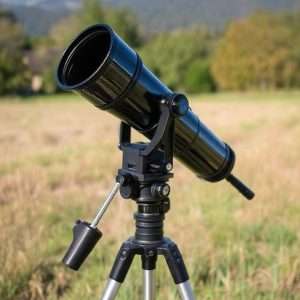
The Zhumell Z130 offers an exceptional blend of power and portability, especially for a telescope in this price range. With a sizable 130mm aperture and a 650mm focal length, it excels at producing bright, wide-angle views suitable for both planetary and deep-sky observing. Its optical system is built around a parabolic primary mirror, which provides better focus and image clarity than spherical alternatives.
Its altazimuth mount is mounted on a tabletop base, which is easy to maneuver and doesn’t require polar alignment. This makes it great for new astronomers who want to jump straight into stargazing. The Z130 is also built for convenience—pre-assembled and featuring a carrying handle for easy transport, it’s a great choice for those who want a capable telescope they can move around.
Key Features:
- 130mm parabolic mirror
- 650mm focal length at f/5
- Altazimuth base with smooth controls
- Fully assembled with built-in handle
- Two eyepieces: 25mm and 10mm
Pros:
- Powerful optics for the price
- User-friendly design and solid construction
- Delivers sharp planetary and deep-sky views
Cons:
- Needs a table or steady base for use
- No fine-tuning knobs for tracking objects precisely
4. Celestron StarSense Explorer LT 80AZ
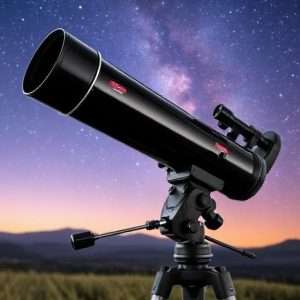
Blending optical tradition with modern technology, the Celestron StarSense Explorer LT 80AZ refractor brings innovation to stargazing by using your smartphone as a navigation tool. The telescope connects with the StarSense app to help you locate and identify celestial objects, transforming a standard observing session into an interactive experience. It uses an 80mm aperture with a long 900mm focal length, which provides high-contrast, detailed views of the Moon and planets.
The lightweight alt-azimuth mount is intuitive to use and makes pointing the telescope very straightforward. This model is an excellent match for beginners who want a guided experience without having to learn complex charts or star maps. Although its aperture isn’t ideal for faint galaxies, it excels in clarity when viewing bright objects and double stars.
Key Features:
- 80mm achromatic refractor
- Long 900mm focal length (f/11)
- StarSense app guides you to targets
- Lightweight alt-azimuth mount
- Comes with 25mm and 10mm eyepieces
Pros:
- Excellent for guided learning with smartphone integration
- Sharp visuals with minimal optical distortion
- Portable and very beginner-friendly
Cons:
- Smaller aperture limits deep-sky visibility
- Requires smartphone compatibility for app use
5. Sky-Watcher Heritage 130P FlexTube
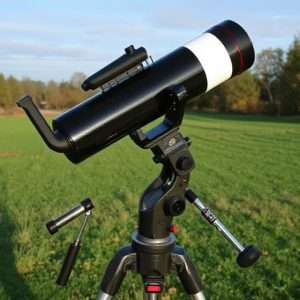
The Sky-Watcher Heritage 130P stands out thanks to its innovative collapsible design, which makes storage and transportation incredibly convenient. As a 130mm reflector with an f/5 focal ratio, it offers excellent light collection and delivers vivid images of planets, clusters, and nebulae. Its open-tube design also helps keep it lightweight, while the FlexTube structure allows it to expand and retract with ease.
Despite its compact nature, the optical performance of this telescope is remarkable. The simple Dobsonian-style mount provides smooth movement in both axes, allowing you to easily point at and track objects. Its build and mechanics are ideal for beginners and casual observers who need a balance of portability and performance.
Key Features:
- 130mm parabolic primary mirror
- 650mm focal length (f/5)
- Collapsible FlexTube optical tube
- Dobsonian-style tabletop mount
- Supplied with two eyepieces and red dot finder
Pros:
- Compact yet powerful design
- Simple and smooth to operate
- Great for both lunar and deep-sky targets
Cons:
- Must be placed on a sturdy surface
- No advanced tracking capabilities
6. Meade Polaris 90mm Refractor
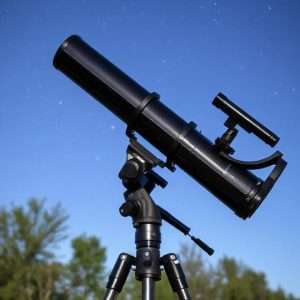
The Meade Polaris 90mm refractor telescope is a solid choice for those who prefer a classic design with minimal maintenance. The 90mm aperture offers solid views of the planets and Moon, while the long 900mm focal length makes for a narrow but detailed field of view. It also includes a manual German equatorial mount, which, once aligned, enables better object tracking.
This model is bundled with three different eyepieces and a 2x Barlow lens, offering a range of magnification options right out of the box. The red dot finder aids with locating celestial objects, and the refractor design means there’s no need for collimation or mirror alignment.
Key Features:
- 90mm refractor with long 900mm focal length
- German equatorial mount with slow-motion controls
- Includes 26mm, 9mm, and 6.3mm eyepieces
- 2x Barlow lens for added magnification
- Red dot finder included
Pros:
- Sharp, contrast-rich views of the Moon and planets
- Durable build and easy maintenance
- Comes with several high-quality accessories
Cons:
- Mount setup can be confusing for first-timers
- Not suited for wide-field or deep-sky imaging
7. Gskyer AZ90600 Refractor
The Gskyer AZ90600 refractor is designed for those who want a hassle-free introduction to astronomy. Featuring a 90mm aperture and 600mm focal length, this scope provides sufficient light gathering for basic planetary viewing and bright deep-sky objects like the Pleiades. The alt-azimuth mount is intuitive to use, and the included slow-motion control handle makes fine adjustments easier.
This telescope package comes with several accessories, including three eyepieces, a 3x Barlow lens, and a smartphone adapter for capturing astrophotography. The build quality is lightweight but stable, making it a strong contender for beginners, families, or students looking for an affordable entry into astronomy.
Key Features:
- 90mm aperture with 600mm focal length
- Manual alt-azimuth mount with slow motion controls
- Three eyepieces: 25mm, 10mm, and 5mm
- 3x Barlow lens and smartphone mount included
- Lightweight and beginner-friendly
Pros:
- Complete kit with multiple viewing options
- Simple operation ideal for newcomers
- Good value with included phone adapter
Cons:
- Plastic components feel less durable
- Limited capabilities for deep-sky viewing
Conclusion
Finding the best telescopes under $500 no longer means sacrificing quality or features. With improvements in optical design and manufacturing, today’s budget-friendly scopes can offer impressive views and user-friendly functionality. Whether you’re looking for a high-aperture tabletop reflector like the Zhumell Z130 or a smartphone-integrated refractor like the Celestron StarSense Explorer, there’s a telescope in this price range that can spark your curiosity and bring the stars a little closer.
Take time to consider what matters most—optical power, portability, or tech compatibility—and you’ll be well-equipped to choose a telescope that fits your goals and inspires a deeper appreciation for the cosmos.