Alt-Azimuth vs Equatorial Telescope Mounts: A Personal Exploration of the Sky
When I first began my astronomy journey, I was captivated by the idea of peering into the vast universe from my own backyard. But what I didn’t realize at the time was just how essential a telescope mount would be in shaping that experience. The debate surrounding alt-azimuth vs equatorial telescope mounts is a common one among newcomers and seasoned stargazers alike. I’ve used both over the years, and through trial, error, and many nights under the stars, I’ve come to understand their strengths, limitations, and the unique roles they play in amateur astronomy.
My Initial Foray Into Stargazing
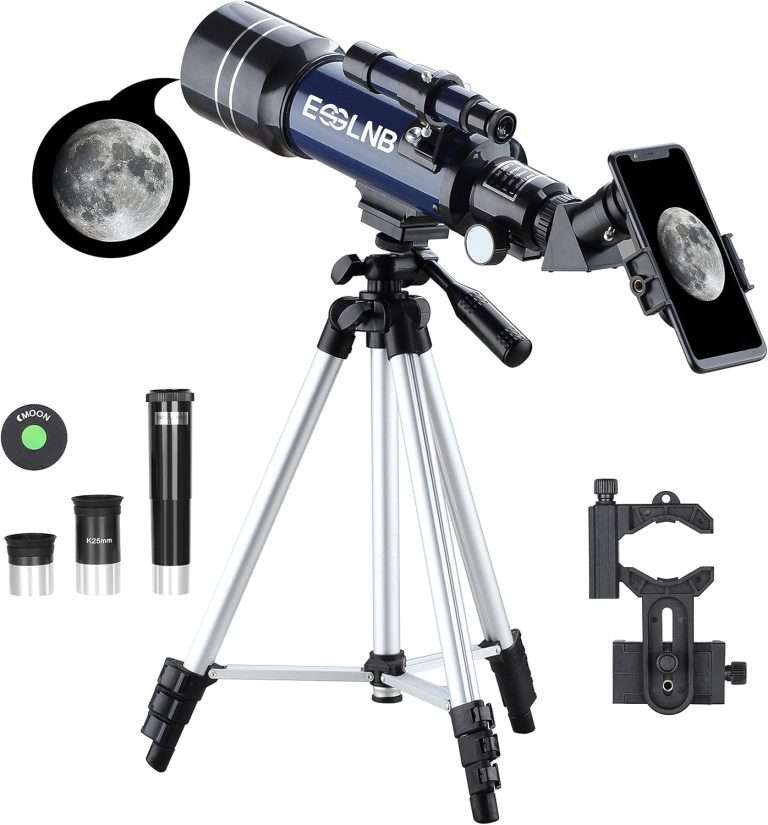
Back when I purchased my first telescope, I didn’t know much beyond the basics. I assumed the telescope tube was the star of the show and that the mount was just a stand to hold it up. I couldn’t have been more mistaken. My beginner telescope came with an alt-azimuth mount, which seemed simple enough—just point it where I wanted and take a look.
At first, I loved how straightforward it was. I could follow planes in the sky, zoom in on the Moon, and explore bright planets like Venus and Jupiter. But once I started trying to observe deeper space objects or track stars for extended periods, I began to hit roadblocks. I realized that if I wanted to expand my understanding of the cosmos, I’d need to look into more advanced equipment.
A Closer Look at Alt-Azimuth Mounts

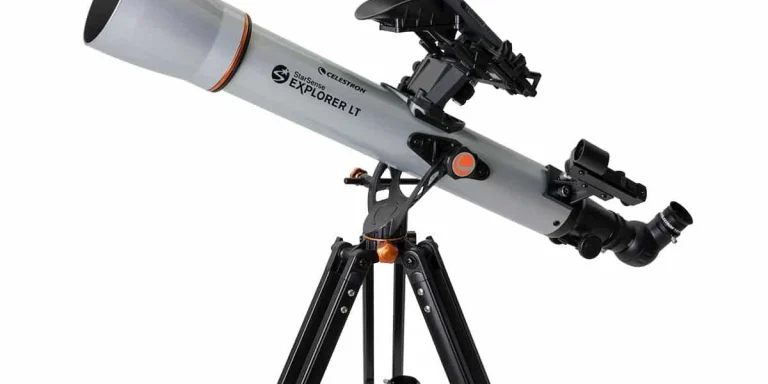
An alt-azimuth mount operates along two perpendicular axes—altitude (up and down) and azimuth (left and right). These mounts are known for their user-friendly design and are often included with beginner telescopes because of how intuitive they are to handle.
Benefits I Noticed Using Alt-Azimuth Mounts
- Effortless setup: I could assemble the telescope and start observing in minutes, without worrying about alignment or calibration.
- Ideal for casual use: Whether it was a quick view of the crescent Moon or showing a friend Saturn’s rings, this mount made it easy to share views.
- Highly portable: Light and compact, I could carry it to a nearby hill or park without much effort.
Limitations I Encountered
- Object tracking challenges: Following stars or planets across the sky required constant adjustment in two directions, which made viewing less smooth.
- Not built for long exposure photography: Attempting astrophotography with this mount proved frustrating, as the field of view would shift quickly without motorized or precise tracking.
Transitioning to Equatorial Mounts

My desire to take better images and observe for longer periods eventually led me to explore equatorial mounts. Unlike alt-azimuth designs, equatorial mounts rotate along axes that align with Earth’s rotation—right ascension and declination. This allows them to counter the apparent movement of celestial bodies with just a single-axis adjustment, once polar aligned.
At first, I found equatorial mounts to be a bit intimidating. The process of aligning with Polaris and adjusting declination took practice, and I spent several evenings getting it wrong before I finally nailed it. But once I did, it felt like unlocking a new level of astronomical freedom.
Advantages That Stood Out
- Precise and smooth tracking: After alignment, I could follow a star or galaxy effortlessly for hours by adjusting only the right ascension axis.
- Excellent for photography: The mount held my telescope steady during long exposures, making astrophotography achievable without star trails.
- Access to faint objects: Deep-sky observations became easier as tracking accuracy improved with equatorial mounts.
Some Drawbacks I Faced
- Learning curve: The complexity of polar alignment and balancing the counterweights made it less ideal for spontaneous observing sessions.
- Less portable: With its heavier frame and extra components, transporting the mount required planning and patience.
- Higher cost: The enhanced functionality came at a financial cost, but for me, it was an investment in a deeper experience.
Alt-Azimuth vs Equatorial Telescope Mounts: Deciding Based on Purpose
After spending time with both types, I’ve come to see that comparing alt-azimuth vs equatorial telescope mounts isn’t about choosing a winner. It’s about matching the tool to the purpose. Each has a distinct personality and is suited to different observing styles.
When an Alt-Azimuth Mount Shines
If your goal is to casually observe the night sky, entertain guests at a stargazing party, or keep things simple for children, the alt-azimuth mount is a fantastic choice. Its point-and-view design makes it approachable, especially for those who want to dip their toes into astronomy without being overwhelmed.
This mount also excels when observing objects near the horizon or when you need quick adjustments. I often take mine on road trips where space is limited, knowing it can be set up quickly and still deliver enjoyable views.
Where Equatorial Mounts Excel
For those who are ready to invest time and effort into serious observing or astrophotography, an equatorial mount is indispensable. Once you’re aligned and locked in, the tracking is so smooth that it allows you to study planets, galaxies, and nebulae in detail. Taking high-quality images of the night sky becomes much more feasible, and if you attach a motorized drive or GoTo system, it opens up even more possibilities.
This mount feels like an extension of your telescope, moving with the sky instead of against it.
My Personal Setup and How I Use Each Mount
Over time, I’ve found value in owning both types of mounts, and I switch between them depending on the situation. If I’m hosting a group of friends for a quick viewing session or exploring the Moon during a short window of clear sky, I reach for the alt-azimuth setup. It’s ready in minutes and always delivers simple, reliable fun.
But when I plan a full night of imaging or tracking deep-sky objects, I bring out the equatorial mount. With its stability and precision, I can capture fine details and enjoy prolonged viewing without constant readjustment. It’s heavier and takes more time to set up, but the payoff in image quality and object visibility is worth every minute.
How to Choose Based on Your Goals
When weighing the options in the alt-azimuth vs equatorial telescope mounts debate, I suggest asking yourself a few important questions:
- Do you want to observe casually, or are you interested in pursuing astrophotography?
- Is portability and ease of setup more important than tracking precision?
- Are you okay with a learning curve in exchange for deeper capabilities?
Answering these questions helped me define what I needed at different stages in my stargazing journey. I started simple and grew into more advanced gear as my passion evolved.
Final Thoughts on Alt-Azimuth vs Equatorial Telescope Mounts
Choosing between alt-azimuth vs equatorial telescope mounts is more about your goals and observing habits than about which is better. There’s a beauty in the simplicity of alt-azimuth mounts that makes them perfect for beginners and casual observers. At the same time, equatorial mounts offer a sophisticated level of control and tracking that serious enthusiasts and astrophotographers will appreciate.
From my own experience, I’d recommend starting with what feels approachable. You can always upgrade later, and having both types on hand gives you flexibility for any kind of stargazing adventure.
Ultimately, the magic isn’t just in the mechanics—it’s in those moments of awe when Saturn’s rings come into focus, or when you glimpse the dusty arms of a distant galaxy. Whether you get there with an alt-azimuth or an equatorial mount, what matters most is that you’re out there looking up.