What Does A Nebula Do?
What does a nebula do? This question might seem strange at first. After all, when you look at those breathtaking images from space telescopes, nebulae look like colorful clouds just floating peacefully in the darkness. They seem so still and quiet. But here’s the amazing thing: these cosmic clouds are actually some of the busiest places in our universe. They’re working around the clock, creating new stars, spreading elements that make planets possible, and recycling materials from old stars that have died.
Think of nebulae as the universe’s ultimate recycling centers and baby nurseries all rolled into one. While they might look like they’re just sitting there looking pretty, they’re actually performing some of the most important jobs in space. Let’s explore what these cosmic wonders really do and why they matter so much to everything we see in the night sky.
What Are Nebulae?
Before we dive into what nebulae do, let’s make sure we understand what a nebula is. A nebula is basically a giant cloud of gas and dust floating in space. These clouds are huge beyond imagination. Some stretch across dozens of light years, while others can span hundreds of light years. To put that in perspective, it would take light itself decades or centuries to travel from one side to the other.
Most nebulae are made up of hydrogen, the simplest and most common element in the universe. They also contain helium and small amounts of heavier elements like carbon, oxygen, and iron. These heavier elements are incredibly important because they’re the building blocks for planets and life itself.
The Primary Functions of Nebulae
Star Formation: The Universe’s Baby Nurseries
One of the most important things a nebula does is create new stars. This process is truly remarkable. Inside these gas clouds, gravity slowly pulls material together. Over millions of years, these clumps of gas and dust grow denser and denser. As they shrink, they heat up. Eventually, they become so hot and dense that nuclear fusion begins, and a new star is born.
The Orion Nebula is one of the most famous stellar nurseries we can see from Earth. Right now, new stars are forming inside this cosmic cloud. The Eagle Nebula, with its famous “Pillars of Creation,” shows us this star formation process in action. These towering columns of gas and dust are literally star factories, churning out new suns that will shine for billions of years.
This star formation process typically takes millions of years. That might seem like a long time to us, but in cosmic terms, it’s actually pretty quick. The universe is constantly making new stars inside nebulae, replacing the old ones that burn out and die.
Element Distribution and Cosmic Recycling
Nebulae also serve as the universe’s delivery system for heavy elements. When massive stars explode as supernovas, they blast these elements into space. Nebulae help spread these materials throughout entire galaxies. This cosmic recycling is essential for creating rocky planets like Earth and the chemical elements needed for life.
Without this function of nebulae, our solar system couldn’t exist. The carbon in our bodies, the oxygen we breathe, and the iron in our blood all came from stars that died long ago. Nebulae helped distribute these elements throughout space, making it possible for our sun and planets to form with the rich mix of elements we see today.
Stellar Death Processing
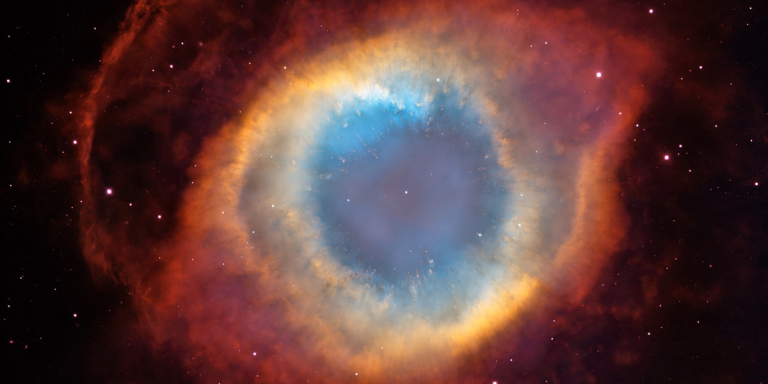
When stars reach the end of their lives, nebulae play a crucial role in what happens next. Smaller stars like our sun create planetary nebulae when they die. These beautiful, often ring shaped clouds form when a dying star puffs off its outer layers. The hot core of the dead star illuminates this expelled material, creating some of the most stunning objects in space.
Massive stars create an even more dramatic type of nebula when they explode as supernovas. These supernova remnants are shock waves of hot gas expanding outward at incredible speeds. They compress nearby gas clouds and can actually trigger new star formation in neighboring regions.
Galactic Structure and Dynamics
Nebulae help shape entire galaxies. They trace the spiral arms of galaxies like our Milky Way, showing us where active star formation is happening. As nebulae create new stars, they influence the chemical makeup of their host galaxy. Each generation of stars creates heavier elements, and nebulae help mix these elements throughout galactic space.
This process of galactic chemical evolution has been going on for billions of years. Early in the universe’s history, there were almost no heavy elements anywhere. Thanks to the work of nebulae and stars, galaxies today are rich in the elements needed for complex chemistry and life.
Types of Nebulae and Their Specific Roles
Different types of nebulae perform different cosmic functions:
Emission nebulae are active star forming regions where hot, young stars energize the surrounding gas, making it glow. These are the classic stellar nurseries where new stars are actively being born.
Reflection nebulae scatter light from nearby stars, illuminating cosmic dust clouds. While they might not be forming stars themselves, they show us where dust and gas exist in space.
Planetary nebulae represent the end of life processing for sun like stars. They return processed material to space and create some of the most beautiful objects we can observe.
Supernova remnants are the explosive aftermath of massive star deaths. They create shock waves that can trigger star formation in nearby gas clouds and distribute heavy elements across vast regions of space.
The Bigger Picture: Nebulae in Cosmic Evolution
When we step back and look at the big picture, nebulae are absolutely essential to how the universe works. They connect different generations of stars in an endless cycle. Old stars die and create nebulae, which then form new stars, which eventually die and create new nebulae. This cosmic cycle has been running for over 13 billion years.
Without nebulae, galaxies would be very different places. There would be no ongoing star formation, no distribution of heavy elements, and no recycling of stellar material. The universe would be a much more static and boring place.
Nebulae also play a crucial role in making planetary systems possible. They provide the raw materials and the mixing processes needed to create the diverse worlds we’re discovering around other stars. Every exoplanet we find owes its existence, at least in part, to the work of nebulae. Learn more about the characteristics of nebulae
Common Misconceptions About Nebulae
It’s important to understand that nebulae don’t actively “do” things the way living creatures do. They don’t have intentions or purposes in the way we might think about them. Instead, they’re natural processes following the laws of physics.
When we ask what does a nebula do, we’re really asking about the physical processes that happen inside these cosmic clouds. Gravity, pressure, temperature, and radiation all work together to create the phenomena we observe. The “functions” of nebulae emerge from these basic physical interactions.
This doesn’t make nebulae any less amazing. In fact, it might make them more remarkable. The idea that simple physical processes can create such complex and beautiful results shows us just how elegant the universe really is.
Frequently Asked Questions
What is the purpose of a nebula?
In astronomy, the purpose of a nebula is to act as both the birthplace and the recycling center of stars. Nebulae provide the gas and dust needed to form new stars and planets, while also collecting the material released by dying stars. They are essential for keeping the cycle of creation going in the universe.
Do nebulas make stars?
Yes, many nebulae are stellar nurseries where stars are born. Gravity pulls gas and dust together inside a nebula until the material becomes dense and hot enough to ignite nuclear fusion. This process turns a clump of gas into a newborn star.
What happens if you go into a nebula?
If you could travel into a nebula, you would not find a solid surface or feel like you are inside a dense cloud. Nebulae look bright and colorful in photos, but in reality, their gases are very thin, far thinner than the best vacuum we can create on Earth. To the human eye, being inside a nebula would look mostly dark and empty.
What is nebula used for?
A nebula is not “used” in the everyday sense, but its role in the universe is critical. Nebulae are used by astronomers as laboratories to study star birth, star death, and the formation of galaxies. On a larger scale, they are nature’s way of recycling matter and spreading elements like carbon and oxygen, the same elements that make up planets and life.
Final Thoughts
So what does a nebula do? As we’ve seen, these cosmic clouds are far from the quiet, peaceful objects they might appear to be. They’re dynamic, active regions where some of the most important processes in the universe take place. They create stars, distribute the elements that make planets and life possible, and shape entire galaxies over billions of years.
The next time you see a picture of a nebula, whether it’s the colorful swirls of the Rosette Nebula or the dramatic pillars of the Eagle Nebula, remember that you’re looking at a cosmic factory. These aren’t just pretty pictures. They’re snapshots of the universe at work, creating the stars that light up the night sky and forging the elements that make our existence possible.
In many ways, we’re all connected to nebulae. The elements in our bodies were created in stars and distributed by these cosmic clouds. The sun that warms our planet formed inside a nebula billions of years ago. And somewhere out there, nebulae are still working, creating new stars and new possibilities for worlds we can only imagine. That’s the true magic of what nebulae do in our amazing universe.